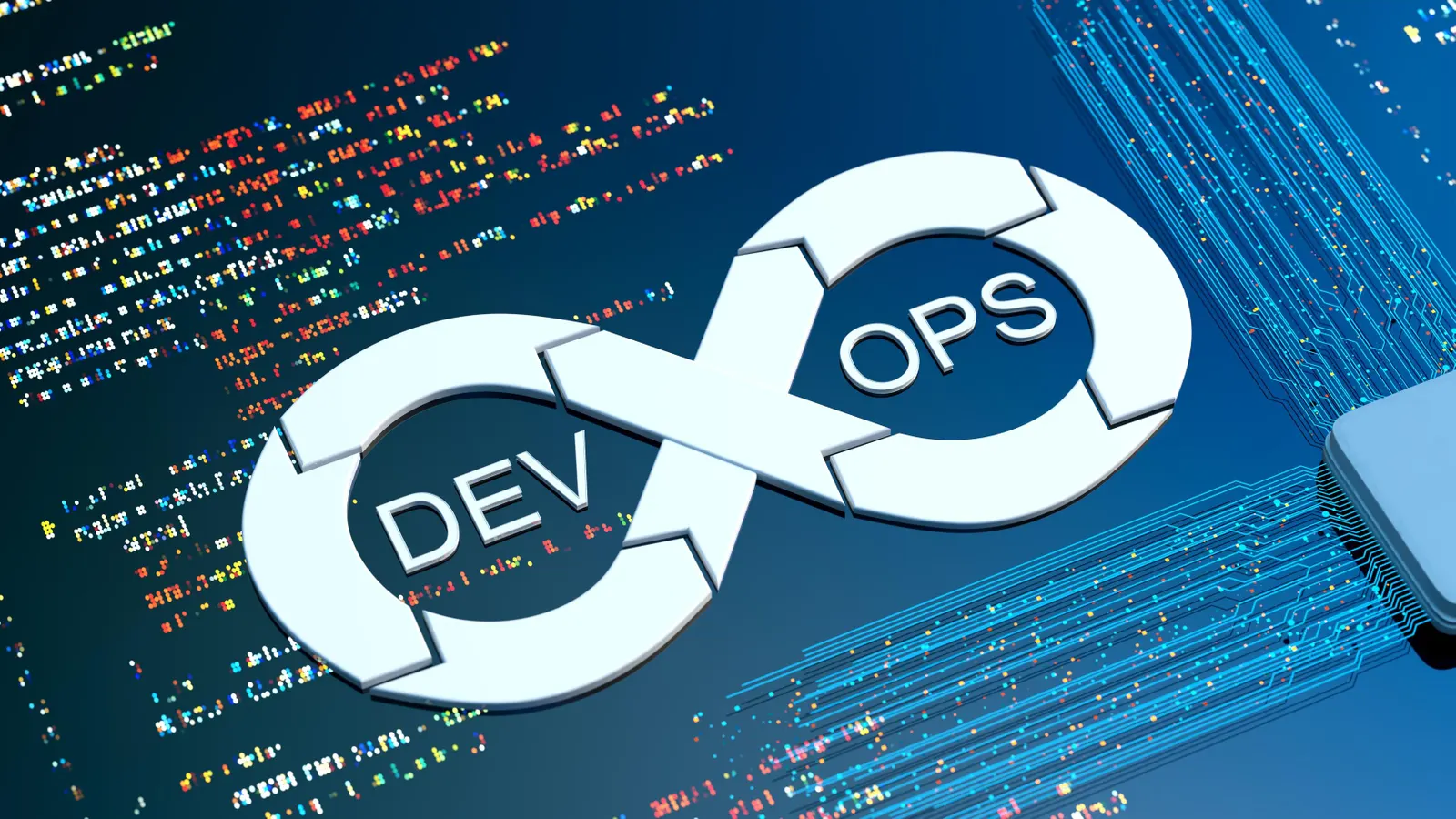
DevOps CI CD pipeline release management and deployment services

Enterprise Engineering

DevOps Services for Repeatable, Lower-Risk Software Delivery

Modern applications need a delivery process that is as dependable as the code itself. PQube helps engineering teams define release plans, DevOps pipelines, deployment processes, test practices, documentation and support models so changes can move from development to production more consistently.

← All Services

Business Context

Reduce Release Risk with Structured Delivery Practices

When releases depend on manual steps and individual knowledge, teams face inconsistent deployments, difficult rollbacks and poor visibility into what changed. DevOps brings development, testing, release and operations into a more repeatable workflow.

PQube starts by understanding the application architecture, current release method, environments, testing and governance. Improvements can then be introduced progressively around the highest-risk manual steps rather than forcing a complete delivery-model replacement at once.

Core Capabilities

What PQube Can Help You Deliver

Focused capabilities that can be combined or phased according to business priorities, existing systems and organisational readiness.

CI/CD Pipeline Design

Structure build, validation and deployment pipelines that reduce repetitive manual release steps.
Release Planning

Define release scope, environments, approvals and deployment readiness before production changes.

Deployment Processes

Create repeatable deployment workflows for applications and supporting components.

QA & Test Integration

Connect testing and quality practices with the delivery lifecycle to identify issues earlier.

Environment & Configuration Practices

Improve consistency across development, test and production environments.

Documentation & Operational Handover

Document deployment, support and release practices so delivery is not dependent on individual knowledge.

Why PQube DevOps

Delivery Discipline That Improves Repeatability Without Adding Unnecessary Tooling

PQube treats DevOps as an engineering operating model that connects architecture, testing, environments, release governance and operational handover. Tooling supports that model; it does not replace it.

Application-Aware PipelinesDesign build and deployment practices around the architecture and real release risks.
Quality Earlier in DeliveryConnect automated and structured testing with the pipeline instead of leaving QA until release day.
Release GovernanceMake environments, approvals and production readiness visible and repeatable.
Operational HandoverDocument release and support practices so production is not dependent on individual knowledge.

Business Outcomes

What the Programme Is Designed to Improve

More repeatable software releases

Reduced dependence on manual deployment steps

Improved visibility into release readiness

Earlier quality checks in the delivery lifecycle

Better documentation and operational handover

A scalable foundation for ongoing product enhancement

Engineering Delivery Model

From Build to Release to Long-Term Support

Where a specific public DevOps case study is not established, PQube’s engineering model still connects release discipline with QA, documentation and ongoing support rather than treating deployment as a one-time technical event.

Build & Validate

  • Repeatable build practices
  • QA and test integration
  • Environment consistency

Release & Govern

  • Defined release scope
  • Approvals and readiness checks
  • Controlled deployment processes

Operate & Improve

  • Documented handover
  • Support and enhancement cycles
  • Continuous delivery improvement

Related Capabilities

Continue Your Digital Roadmap

Explore the connected capabilities that can support the next stage of this requirement.

CLUTCH REVIEWS

Rated by the Clients We Serve

Independent, verified client feedback on delivery quality, project management, value and willingness to recommend PQube.
4.9
★★★★★
24 verified reviews
Quality 4.8
Schedule 4.8
Cost 4.8
Willing to Refer 4.9
View Clutch Profile ↗
VERIFIED CLUTCH REVIEW
★★★★★ 5.0
“We are very happy with them.”
CRM Development & Consulting Partner, ISSI Inc · Enterprise Technology Consulting
View Verified Review on Clutch ↗
VERIFIED CLUTCH REVIEW
★★★★★ 5.0
“The team was very professional with their approach.”
Web Design & Digital Experience Director of Operations, IncepBio
View Verified Review on Clutch ↗
VERIFIED CLUTCH REVIEW
★★★★★ 5.0
“They are simply superb with on-time delivery of all the milestones.”
Web Development, SEO & Digital Marketing Founder & Chairman, AVtalkz
View Verified Review on Clutch ↗
VERIFIED CLUTCH REVIEW
★★★★★ 4.5
“PQube has the length and breadth of knowledge in almost all areas of IT solutions.”
Learning Management Solution Chairman & Managing Director, BReT Solutions
View Verified Review on Clutch ↗
VERIFIED CLUTCH REVIEW
★★★★★ 5.0
“The quality of the work they deliver for the money we’re investing is top-notch.”
Mobile Application Development & Support Digital, Data & IT Project Manager, Novo Nordisk
View Verified Review on Clutch ↗
VERIFIED CLUTCH REVIEW
★★★★★ 5.0
“I was most impressed with the drive and dedication their team had.”
Custom eCommerce Development CEO, Grand Slam Designs
View Verified Review on Clutch ↗
01  /  06

Frequently Asked Questions

DevOps FAQs

Does PQube’s Engineering practice include DevOps?
Yes. DevOps pipelines, deployment processes, testing, release plans and support models are included within PQube’s Engineering Services scope.
Can DevOps be introduced to an existing application?
Yes. The approach can begin by reviewing the current release and deployment process, then improving it progressively without requiring a full rebuild.
Is DevOps only about CI/CD tools?
No. DevOps also includes scope, release planning, testing, deployment, documentation, environments and support discipline.
Can DevOps be part of a GCC engagement?
Yes. DevOps capability can be supported within a dedicated or GCC technology delivery model where appropriate.
Can DevOps practices be improved gradually?
Yes. Teams can begin with the highest-risk manual build, test or deployment steps and introduce more structured practices over time.
Can DevOps support both new and existing applications?
Yes. DevOps can be introduced as part of a new engineering programme or used to improve the release process for an existing application.

Make Releases More Repeatable and Easier to Govern

Review the current build, test and deployment process and identify the highest-risk manual steps, environment gaps and handover issues.

Schedule a Discovery Workshop